UFC 331: Tai Tuivasa is still here after 7 straight losses — so what really determines UFC job secur
At the risk of comparing apples to oranges — or, in this case, heavyweights to middleweights — it's hard not to notice a certain contrast highlighted by UFC 331.
Two weeks ago in Paris, Michael "Venom" Page fought his last UFC bout. He won an entirely forgettable decision, then exited the promotion with a 5-1 UFC record and not even a conversation about a new contract.
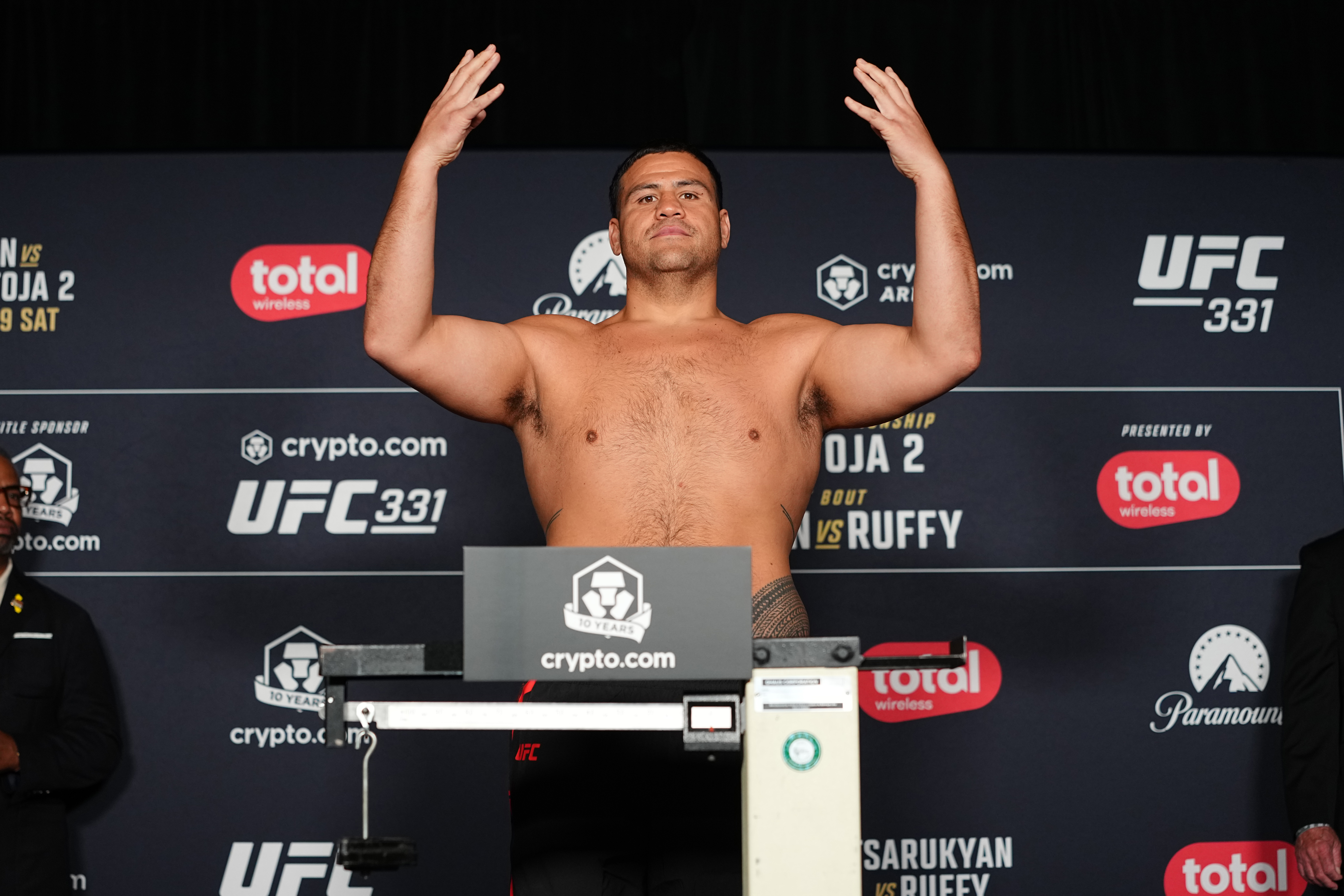
Saturday night at UFC 331, Tai Tuivasa will attempt to snap a seven-fight losing streak that dates to 2022. Few seem to be all that optimistic about his chances, but here he is anyway welcoming Robelis Despaigne back to the UFC while trying to keep himself from matching Tony Ferguson's historic eight-fight promotional losing skid.
Just to be clear, Tuivasa has now lost more consecutive fights than Page ever got the opportunity to have in the UFC. Yet he remains gainfully employed while Page was denied even the dignity of a lowball offer. That tells us something, right?
Probably it's something that we already kind of, sort of, knew. The UFC is looking for specific types of fighters who produce specific types of fights. This is a sports company, but ultimately it's an entertainment product. The only thing worse than a fighter who puts on boring fights is a fighter who wins almost all of those boring fights.
That kind of guy, he won't brawl and he won't let anyone else brawl, either. So get him out of here. Let one of these other promotions have him so he can put their viewers to sleep.
But then there's Tuivasa. He seems to have hung on this long in the UFC for a few key reasons. One is that he actually has some fans of his own. He's a charismatic, likable guy.
You know that thing they say about presidential candidates and whether voters would want to have a beer with them? Plenty of UFC fans could picture themselves drinking those beers out of various footwear alongside Tuivasa. I once saw him exit the cage in Melbourne after a lopsided submission loss and even then there was a guy waiting for him with a full beer in one hand and a shoe in the other. Tuivasa declined with a single, wordless glance. But still, even in defeat fans wanted to be part of the celebratory ritual, regardless of the fact that there was nothing to celebrate.
For the UFC, Tuivasa is also a dependable fighter, at least in one sense. You know what you will and won't get out of this man at this point in his career. He'll plant his feet and throw big bombs. He'll stop very few takedowns. He'll get tired if the fight doesn't end in the first round, but he'll still stand up to a walloping out of sheer, hard-headed pride.
A promoter can work with a guy like that. He's predictable. You can look at the roster and, for the most part, know which fights he'll probably win and which ones he'll likely lose. It only starts to get tricky when he begins losing the fights he's supposed to win. (Tuivasa was a -225 favorite against Louie Southerland in Australia in May, but lost a unanimous decision to bring his losing streak to seven in a row.)
Now here Tuivasa is, serving as the welcome (back) committee for Despaigne. A guy who swats as hard as "Bam Bam" always has a chance, especially in the turbulent waters of the heavyweight division, but nothing about this feels like a fight the UFC made as a favor to Tuivasa. Instead it feels like matchmakers saw Despaigne's knockout win over Junior dos Santos at the MVP Netflix event in May and decided that what he needed upon returning to the UFC was an opponent who would stand in one place and agree not to take him down.
Thus a fighter finds job security — for a while — even in consistent defeat. Meanwhile, another is sent packing for being frustratingly good in a zero fun sort of way.
Fighters get this message. They understand what the UFC is saying without needing to be told. Just this week, former UFC champ Tyron Woodley explained it on "The Ariel Helwani Show."
"You hit me, I hit you," Woodley said. "Rock 'em, sock 'em. I'm bleeding, you're bleeding. I almost die, you almost die. We hug at the end, raise each other's hand. That's the 'best' fight."
But, Woodley pointed out, that takes a toll. Even the fighters who survive and thrive in that environment can't keep it up for long. The role of the brawler does not lend itself to longevity.
"As soon as they become a bag of bones and they become a little older, and there's a younger fighter that's willing to do it with less backtalk, willing to do it for less money, they're going to be matched up with that person," Woodley continued. "That's really how the cycle of the sport goes."
Nobody said it was fair, and they definitely didn't say it was easy. In other sports, you at least know what it takes to reach and remain at the top. It's victory über alles.
But here?
The fighter's job is part warrior, part entertainer. Everybody's trying to figure out their own personal ratio that will keep them employed — but also keep them upright and conscious.