UFC 332 Main Card: Is Silva Vs. Wang the Worst Numbered Event Ever?
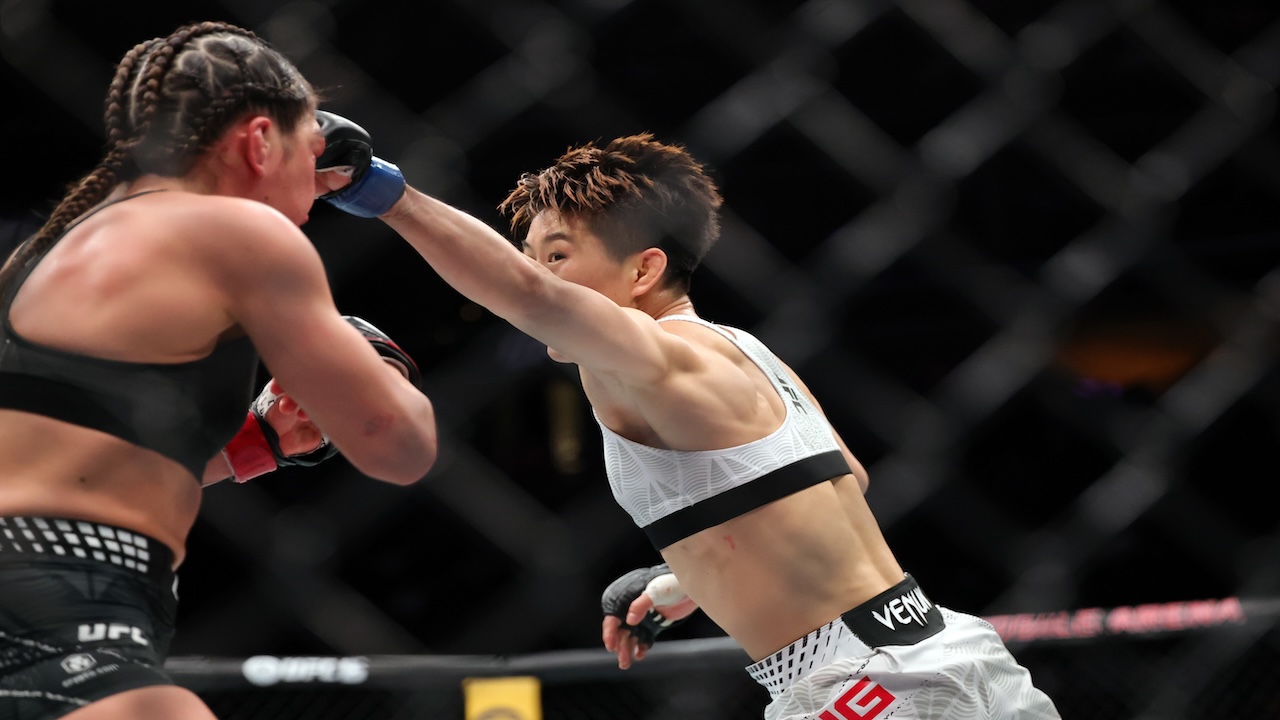
UFC 332 arrives at Salt Lake City's Delta Center on Saturday, October 3, with a vacant women's flyweight championship at the top of the bill and a much bigger question hanging over the event. Natalia Silva and Wang Cong will fight for the title Valentina Shevchenko vacated because of injury. Additionally, for the first time in UFC numbered-event history, the entire five-fight main card will air on CBS alongside Paramount+. The landmark broadcast should make UFC 332 one of the promotion's biggest promotional opportunities of the year. Yet, the buildup has instead centered on how little star power, rivalry, and storyline the card appears to have.
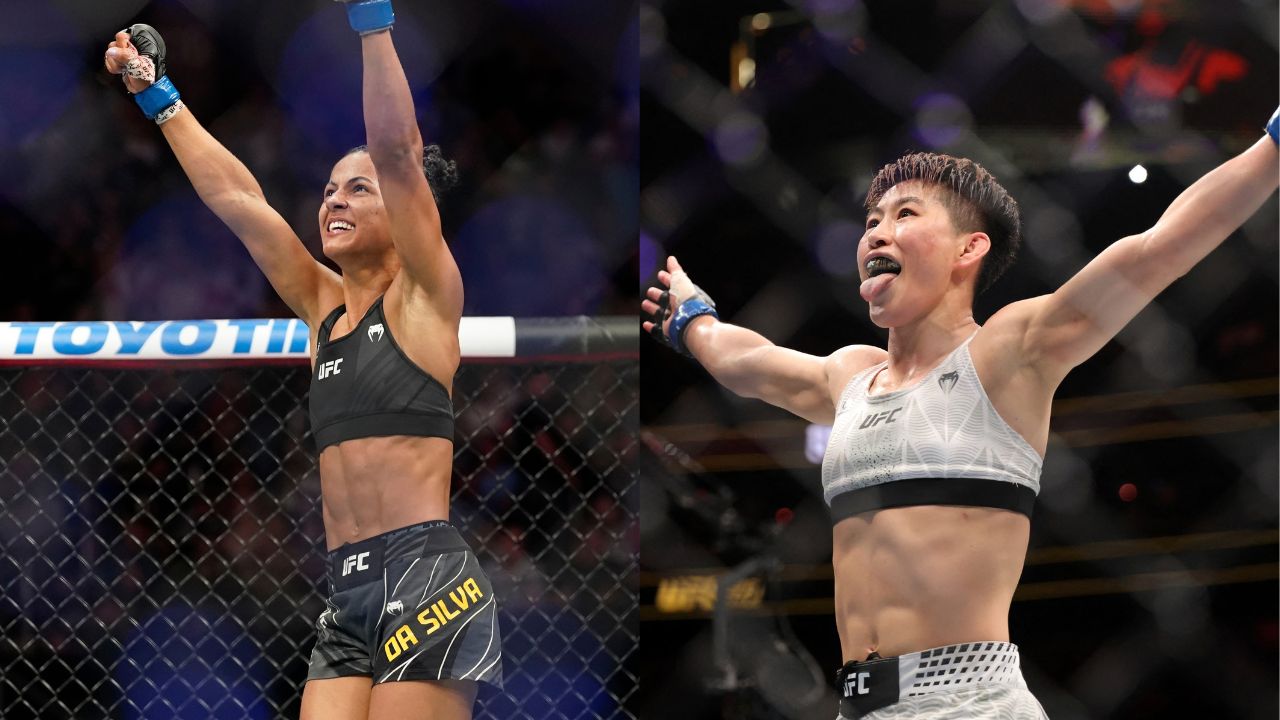
UFC 332 is not short on legitimate fighters, and the vacant title is obviously meaningful. The problem is the difference between competitive significance and promotional significance. A numbered UFC event normally needs a recognizable headline attraction or a compelling narrative to make the audience care before the opening bell. UFC 332 has struggled to provide either of those things. This created an unusual situation where the biggest story surrounding a major UFC event is the promotion's inability to make the card feel major.
UFC 332 Has A Title Fight, But Not A Headline Story
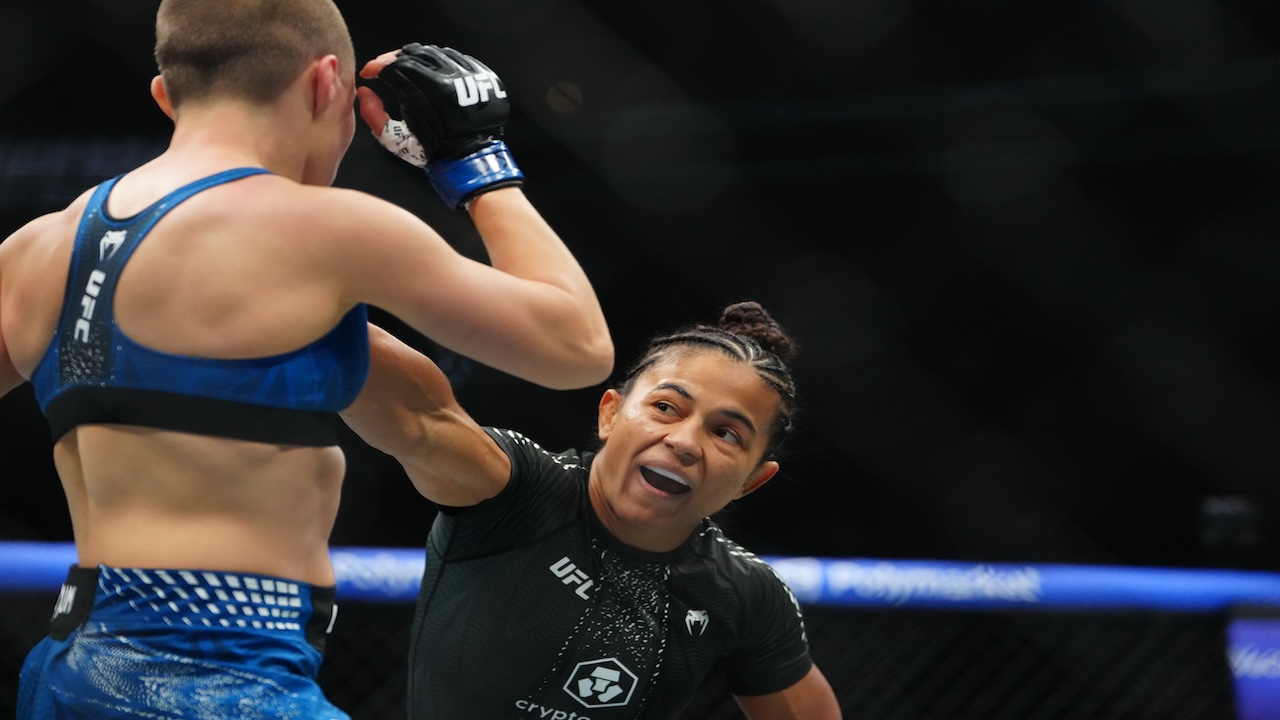
Natalia Silva enters the UFC 332 main event as the division’s No. 1-ranked contender and one of flyweight’s most consistent recent winners. The Brazilian owns an 8-0 UFC record, has won 14 consecutive fights overall, and has beaten former champions Jéssica Andrade, Alexa Grasso, and Rose Namajunas across her last three appearances. Silva’s speed, footwork, kicking game, and 90.3% takedown defense make the vacant title fight a legitimate opportunity to convert a long contender run into championship gold, regardless of how little promotional noise surrounds the matchup.
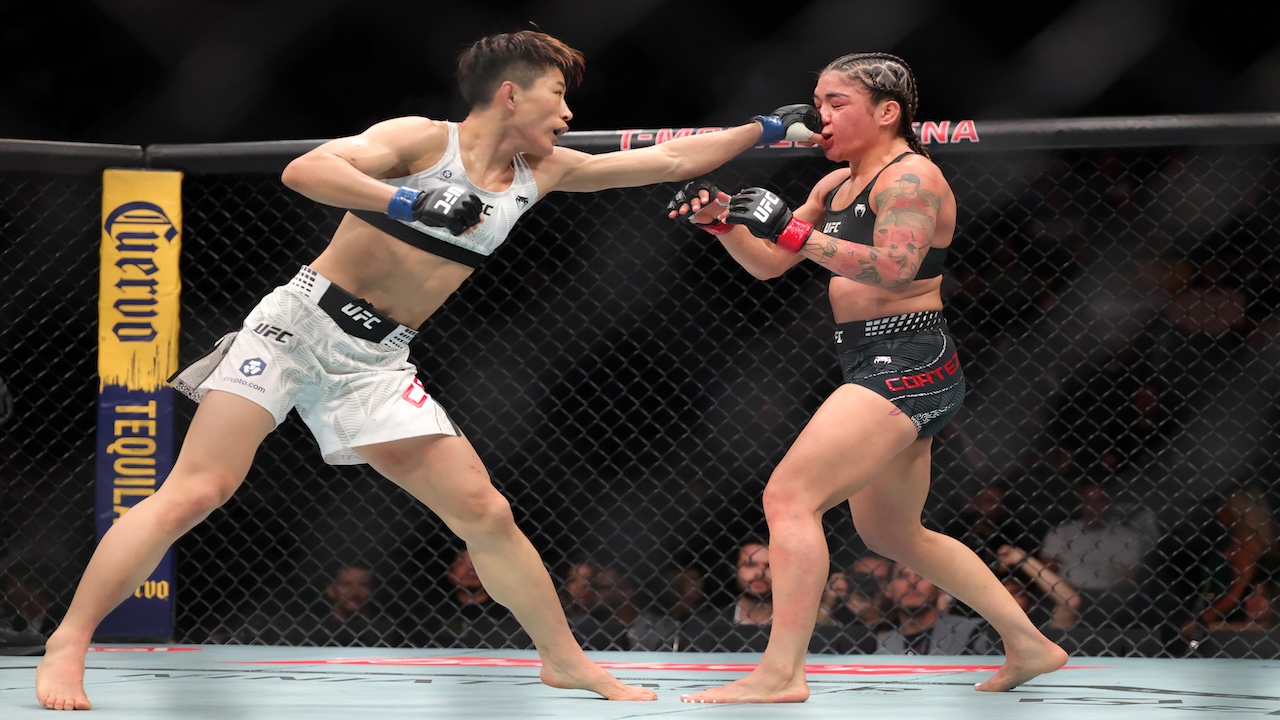
Wang Cong comes into the bout ranked No. 8 and riding four straight victories of her own. The Chinese fighter is a former world Sanda champion and world boxing silver medalist, and UFC’s own statistics flagged her striking accuracy and output as standout strengths within the flyweight division. Wang has acknowledged that promotion matters for a fight of this magnitude, saying both fighters carry a responsibility to make the occasion feel bigger than the build-up has managed to date.
Five rounds at Salt Lake City’s altitude introduces a variable neither fighter has handled on a stage this large. Both women are comfortable striking at range, but neither has previously headlined a UFC event, and a title fight of this length tests conditioning in ways a three-round bout never does. UFC’s own preview material pointed to altitude and the championship rounds as factors that could end up deciding who leaves Utah as champion.
Why UFC 332 Became A Promotional Problem
The clearest problem with UFC 332 is star power. Silva is a highly accomplished contender, and Wang is an intriguing unbeaten-in-four fighter, but neither has the established audience of the champions and crossover stars who normally anchor UFC numbered events. The result is a card where hardcore fans can identify plenty of interesting fights, while casual viewers can reasonably ask who is supposed to be the attraction.
Israel Adesanya accidentally highlighted that problem when he initially reacted to Silva vs. Wang as though the matchup belonged on a Fight Night card rather than a major numbered event. Adesanya later explained that his concern was not simply the quality of the fighters, but the absence of the kind of star power and storyline that makes a headline fight immediately understandable to a broad audience. A former two-time middleweight champion laughing at the initial announcement does not prove that UFC 332 is a bad sporting event, but the reaction illustrates the promotional gap surrounding the card.
Brendan Schaub pushed the criticism much further after the matchup was announced. The former UFC heavyweight called Silva vs. Wang the "worst main event in MMA history" and questioned why Wang was selected for a title fight and numbered-event headliner. Schaub's assessment is his opinion, but the fact that the comment became a major piece of UFC 332 fight-week coverage shows how quickly the conversation moved away from the merits of the fighters and toward UFC's matchmaking and promotion.
UFC 332 Has More Than Just A Weak Main Event
Payton Talbott facing former two-time flyweight champion Deiveson Figueiredo at bantamweight gives this card a competitive co-main event that deserves better placement in the conversation. Talbott has rebounded with consecutive wins, including a victory over former two-division champion Henry Cejudo, while Figueiredo enters after going 1-4 across his last five bouts. A rising contender testing himself against a decorated veteran trying to reverse his slide is exactly the kind of fight UFC should have promoted harder in the weeks leading up to Saturday.
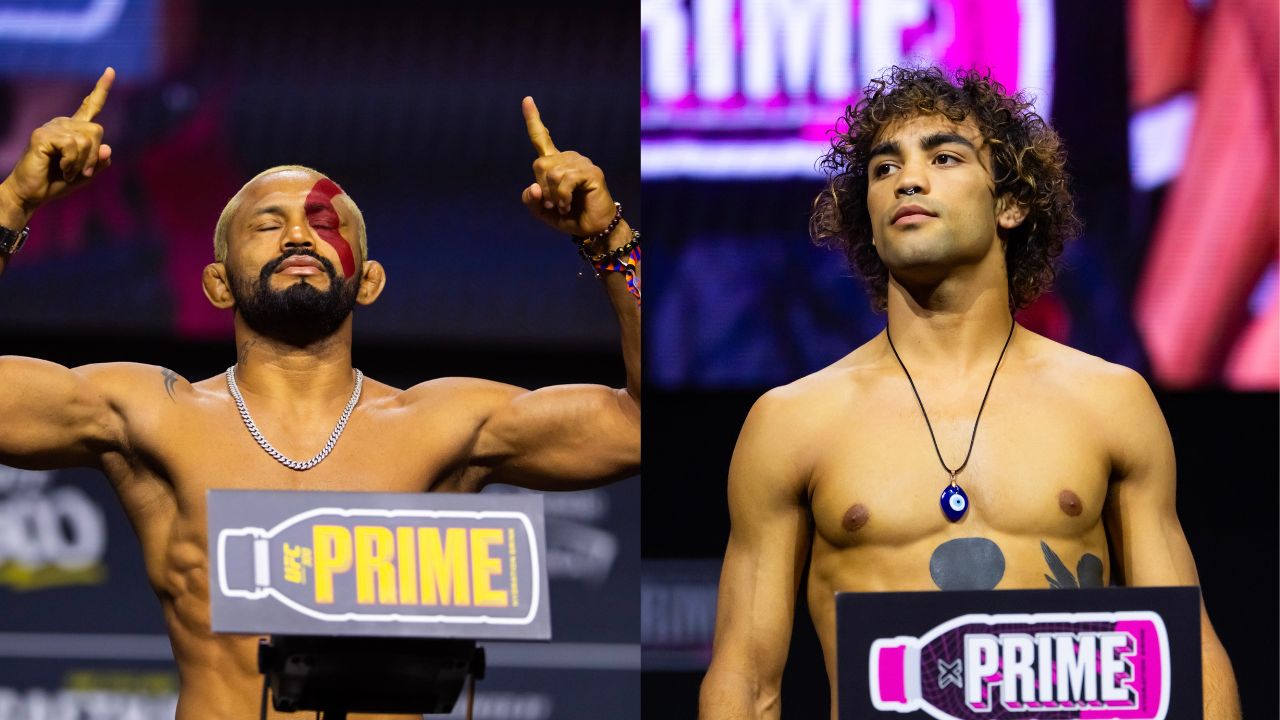
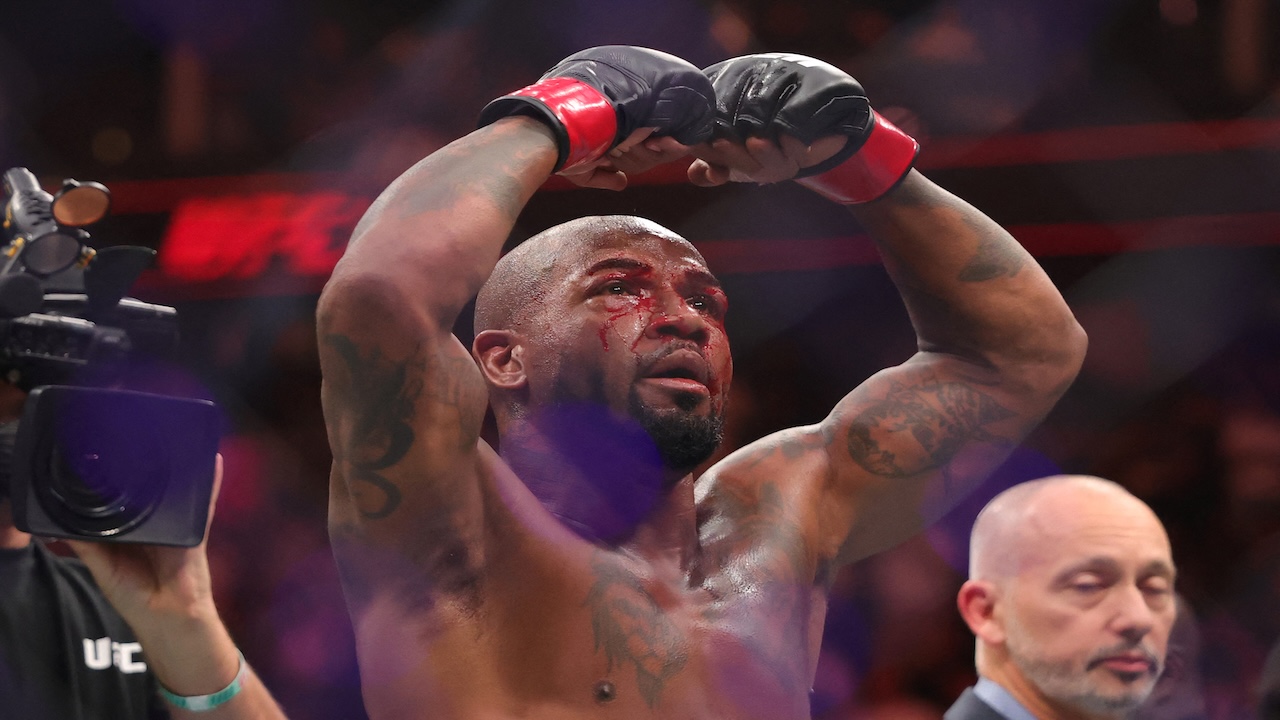
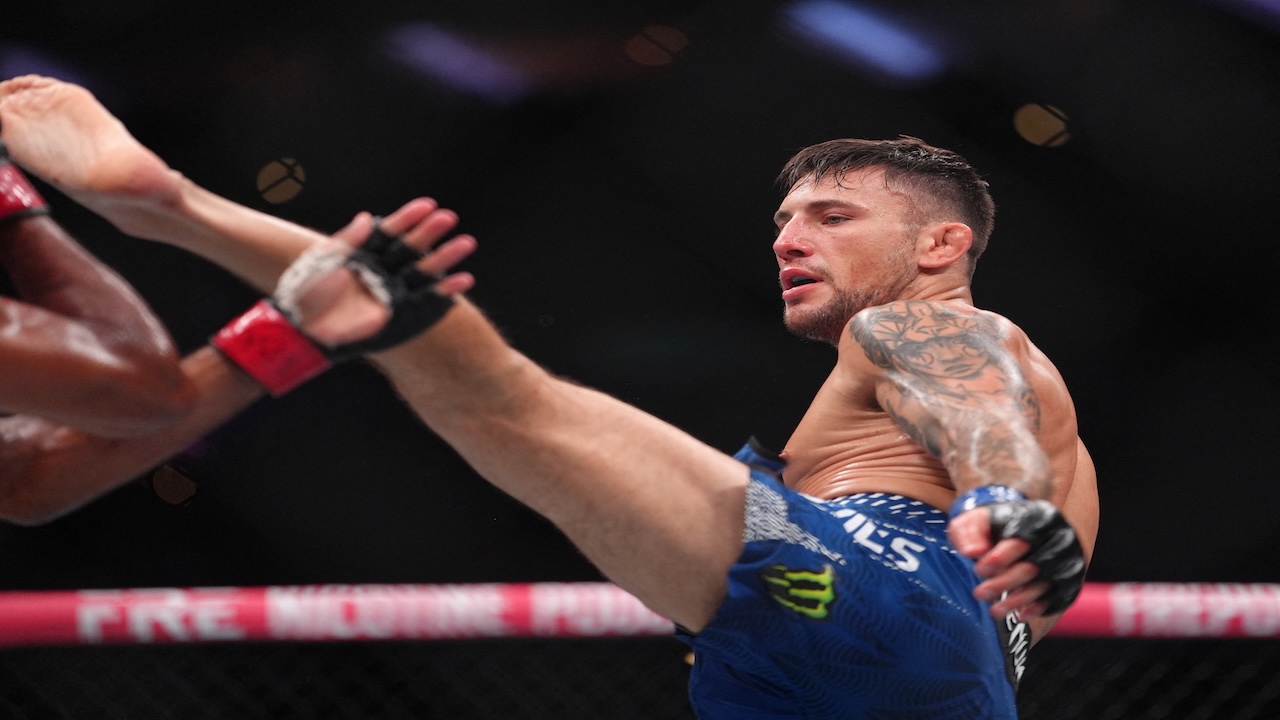
King Green vs. Esteban Ribovics could end up being the most entertaining fight on the entire card if both men bring the styles they’re known for. Roberto Soldić’s UFC debut against Khaos Williams adds another genuine talking point, given Soldić’s reputation for one-punch power and his résumé as a former KSW two-division champion. Ateba Gautier vs. Roman Kopylov rounds out the main card with a striker-versus-striker matchup capable of producing a highlight-reel finish.
Several developing stories sit deeper on the card, and most of them received almost no promotional attention before fight week. Undefeated welterweight Jacobe Smith faces short-notice replacement Bruce Whitehead, Johnny Walker makes his heavyweight debut against Mick Parkin, and former lightweight champion Rafael dos Anjos returns against Alexander Hernandez. Court McGee makes the final walk of his UFC career in his home state of Utah, closing out a card that buried its most emotional storyline on the undercard instead of building around it.
CBS Makes UFC’s Promotion Problem More Significant
Putting a full numbered main card on CBS for the first time should have been a marketing opportunity, not a complication. Broadcast television reaches millions of households that never subscribe to Paramount+ or seek out a pay-per-view, which means Saturday’s audience includes a huge number of people who will judge the sport almost entirely on this one card. A thin top-of-poster lineup matters far more when the viewers watching have no prior context for who Natalia Silva or Wang Cong are.
UFC has spent years building a pay-per-view model around stars people already recognize, and that approach simply doesn’t translate to a channel-surfing network audience. A longtime fan can look past a weak main event because the undercard, the rankings, and the storylines still mean something to them. A first-time viewer flipping past CBS on a Saturday night has none of that context, and a vacant title fight between two largely unknown names does little to hold their attention against football, baseball, or whatever else is competing for the remote that evening.
This is precisely why the criticism from Adesanya and Schaub carries extra weight. A disappointing numbered card on Paramount+ alone would have faded into the usual cycle of MMA message-board complaints. A disappointing numbered card broadcast nationally on CBS becomes a referendum on how the sport presents itself to people seeing it for the first time, and UFC had months to build a story strong enough to survive that scrutiny.
Is UFC 332 Really The Worst Numbered Card Ever?
Calling UFC 332 the worst numbered card in history goes beyond what anyone can reasonably establish before a single fight takes place. Criticism is understandable from a promotional standpoint, since the event lacks the obvious megastar, champion-versus-champion clash or major rivalry that typically sells a numbered card on sight. Sporting quality underneath the headline tells a different story, with ranked contenders, dangerous prospects, credible veterans and a vacant championship all sharing the same night.
Fight quality has a way of rewriting a card’s reputation after the fact, and that possibility is exactly why UFC 332 remains worth watching. King Green vs. Ribovics carries real action potential, Soldić brings a finishing pedigree that travels well on a short build-up, Talbott ranks among the more interesting young bantamweights on the roster, and Silva’s unbeaten UFC run gives the title fight genuine competitive weight. A promotional miss before the event doesn’t guarantee a forgettable night once the cage door closes.
UFC 332 Main Card: Full Fight List
- Natalia Silva vs. Wang Cong (Women’s Flyweight Title)
- Deiveson Figueiredo vs. Payton Talbott
- King Green vs. Esteban Ribovics
- Roberto Soldić vs. Khaos Williams
- Ateba Gautier vs. Roman Kopylov
End Of My UFC 332 Rant
UFC 332 comes down to one contradiction: a vacant championship, ranked fighters, and a historic CBS debut should have been easy to sell — yet the promotion let outside critics define the card instead. The fighters deserve judgment on what happens inside the Octagon, not on a build-up they didn’t control. A good fight night can quiet that criticism, but UFC shouldn’t have needed violence to justify why this broadcast mattered in the first place. The real question in Salt Lake City isn’t whether Silva or Wang deserves the belt — it’s whether UFC 332 ends up remembered for its buildup or for what happened inside the cage.
The post UFC 332 Main Card: Is Silva Vs. Wang the Worst Numbered Event Ever? appeared first on Stadium Rant.